
In the dynamic world of cricket, leadership plays a pivotal role in guiding teams to victory. The captivating sport of cricket has witnessed the rise of exceptional captains who have left an indelible mark on the game. Amongst them, Mahendra Singh Dhoni, Virat Kohli, and Rohit Sharma have emerged as prominent leaders, each with their own unique approach to captaining their respective teams. In this article, we delve into the distinctive leadership styles of these exceptional cricketers and explore how they contribute to their teams' success.
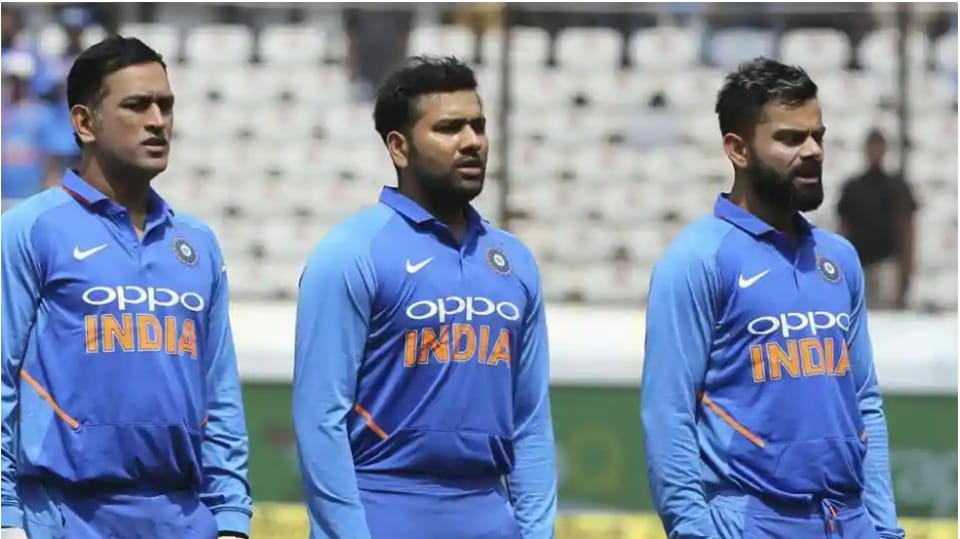
Mahendra Singh Dhoni: The Master Strategist
Mahendra Singh Dhoni, fondly known as "Captain
Cool," is renowned for his astute decision-making and calm demeanor on the
field. As a captain, Dhoni brings a tactical mindset and an ability to think
several steps ahead. His leadership style revolves around meticulous planning,
strategic execution, and an unwavering belief in his team's abilities.
Tactical Decision-Making
Dhoni's tactical prowess is exemplified by his shrewd use of
resources. He possesses an exceptional ability to read the game and adapt his
strategies accordingly. Whether it's setting innovative field placements,
making bowling changes at crucial moments, or promoting pinch-hitters up the
batting order, Dhoni's tactical decisions often catch opponents off guard and
provide his team with a competitive edge.
Composure under Pressure
One of Dhoni's most remarkable qualities is his composure under pressure. He remains unruffled even in the most tense situations, instilling confidence in his teammates and helping them perform at their best.

Dhoni's calmness has been instrumental in leading his team to victory in
nail-biting encounters, earning him the reputation of being a true finisher.
Virat Kohli: The Passionate Leader
Virat Kohli, a modern-day cricketing icon, exudes passion
and intensity both on and off the field. His leadership style is characterized
by an unwavering commitment to excellence and an infectious drive that
motivates his teammates to give their all. Kohli's relentless pursuit of
success and his ability to lead by example make him a formidable captain.
Lead by Example
Kohli's passion for the game is evident in his approach to
captaincy. He sets high standards for himself and his team, constantly pushing
the boundaries of performance. With his exceptional batting skills, Kohli often
leads from the front, inspiring his teammates to elevate their game and deliver
outstanding results.
Emotional Connect
A unique aspect of Kohli's leadership style is his ability to
forge strong emotional bonds with his teammates. He invests time and effort in
understanding each individual's strengths, weaknesses, and aspirations. This
emotional connect creates a sense of unity and fosters a team culture where
players feel supported and motivated to perform their best.
Rohit Sharma: The Tactical Innovator
Rohit Sharma, the vice-captain of the Indian cricket team,
brings a blend of tactical acumen and adaptability to his leadership role.
Known for his elegant stroke play, Sharma's leadership style emphasizes
innovative strategies and a flexible approach to different match situations.
Innovative Strategies
Sharma's captaincy is marked by his ability to introduce
innovative strategies to exploit the opposition's weaknesses. He encourages his
team to think out of the box and devise unconventional game plans. This
approach often surprises opponents and disrupts their plans, giving Sharma's
team a significant advantage.
Flexibility and Adaptability
Sharma's leadership style is characterized by flexibility
and adaptability. He understands the importance of adapting to varying
conditions and situations, both on and off the field. Whether it's making
timely changes to the batting order or altering fielding placements based on
the pitch and opposition's strengths, Sharma's flexible approach allows his
team to stay ahead of the game.
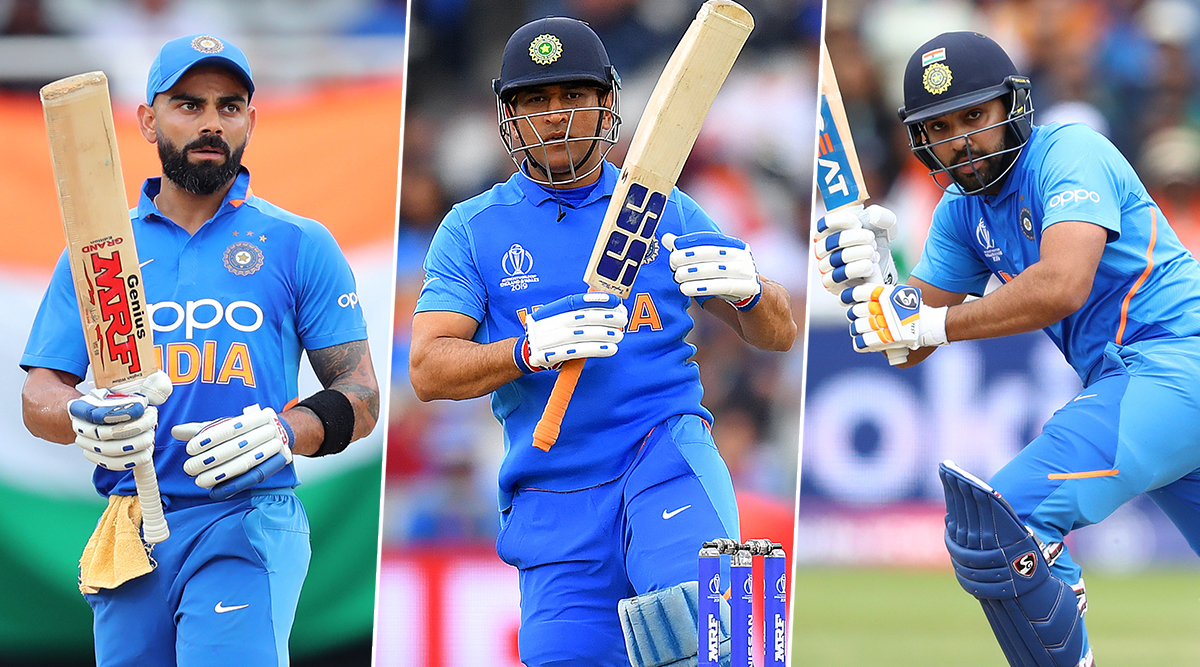
Comparing the Captains
While each captain possesses unique leadership qualities,
comparing their styles can shed light on their respective strengths and areas
of focus.
 |
| Credits: Latestly |
Decision-Making Approach
Dhoni's strategic decision-making is deeply rooted in
careful analysis and forward-thinking. He considers multiple factors, such as
the opposition's strengths and weaknesses, pitch conditions, and the overall
context of the game, before making critical decisions. Kohli, on the other
hand, relies on his instinct and passion to guide his decision-making process.
He often takes bold risks and backs his intuition to drive his team forward.
Sharma combines elements of both strategic analysis and instinctive
decision-making, leveraging his innovative mindset to devise effective game
plans.
Communication and Motivation
Dhoni's calm and composed demeanor allows him to communicate
effectively with his team, providing clear instructions and motivating them to
perform under pressure. Kohli, with his high energy and passionate nature,
leads by example and creates a charged atmosphere that inspires his teammates
to give their best on the field. Sharma's leadership style revolves around
building strong personal relationships with his players, providing
encouragement and support to boost their confidence.
Situational Adaptability and Flexibility
Dhoni's ability to adapt to different match situations and
devise strategies accordingly has been a key factor in his success. Kohli's
unwavering commitment to excellence drives him to constantly adapt and improve,
ensuring that his team stays competitive in all conditions. Sharma's innovative
and flexible approach enables him to identify and exploit opportunities during
matches.
Conclusion
The distinctive leadership styles of Mahendra Singh Dhoni,
Virat Kohli, and Rohit Sharma have made them iconic figures in the world of
cricket. Dhoni's strategic acumen, Kohli's passion and lead-by-example
approach, and Sharma's innovative mindset have contributed significantly to
their teams' success. By understanding and appreciating the nuances of each
captain's leadership style, we gain valuable insights into their strengths and
their impact on the game.